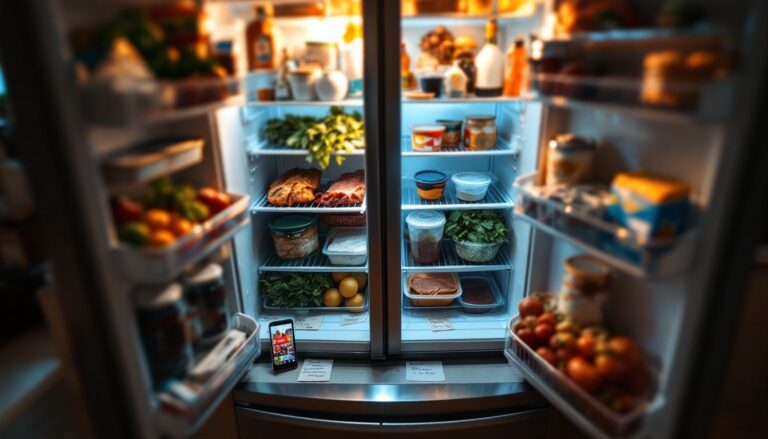

Your refrigerator stops working at 2 a.m., and by morning, you’re staring at a small fortune in spoiled groceries. The natural instinct is to call your renters insurance company and hope they’ll cover the loss. But here’s what most renters don’t realize: standard renters insurance policies have significant gaps when it comes to food spoilage. Understanding exactly what renters insurance covers, and what it doesn’t, can save you from an unpleasant surprise when you need it most. This guide breaks down the real scope of coverage for refrigerator food loss and shows you how to protect yourself.
Table of Contents
ToggleKey Takeaways
- Standard renters insurance does not cover food loss from refrigerator malfunction because insurers classify it as a routine maintenance expense rather than an unexpected disaster.
- Your renters insurance may cover food spoilage only if it results from a covered peril such as fire, burst pipes, theft, or vandalism directly damaging the refrigerator.
- Power outages caused by external events like severe weather might have limited coverage, but most standard policies exclude food loss from power interruptions.
- Document all spoiled food with photos, create a detailed inventory by category, and contact your insurer immediately with written explanation of the cause to support any claim.
- Prevention strategies such as proper refrigerator maintenance, buying perishables in smaller quantities, and installing a backup power supply reduce your risk of significant food losses.
- Adding a rider or food spoilage coverage to your renters insurance policy typically costs $20–$50 annually and protects against losses that could reach hundreds of dollars.
What Renters Insurance Actually Covers
Renters insurance is designed to protect your personal belongings and provide liability coverage if someone gets injured in your rental space. Most policies cover furniture, electronics, clothing, and other possessions against specific risks like fire, theft, vandalism, and weather-related damage. Think of it as a safety net for your stuff, but with clearly defined boundaries.
The core coverage typically includes two main components: personal property coverage and liability protection. Personal property coverage reimburses you if your belongings are damaged or stolen. Liability coverage steps in if you accidentally damage the landlord’s property or if someone is injured at your place and you’re found legally responsible.
But, renters insurance doesn’t work like a blank check. Every policy comes with exclusions, specific situations or types of losses that the insurer won’t cover. Food spoilage falls into a murky gray area that catches many renters off guard. Does home insurance cover appliances and other household systems, a question homeowners often face, works similarly to renters coverage in that mechanical failures and resulting losses are frequently excluded.
The Standard Coverage Limitations For Food Loss
Here’s the straightforward answer: standard renters insurance policies typically do not cover food loss due to refrigerator malfunction or power outages. This is one of the biggest surprises renters face when filing a claim.
The reason comes down to how insurers classify risk. They view food spoilage as a predictable, routine loss, something that’s part of normal living costs rather than an unexpected disaster. Insurance is designed to cover sudden, accidental events, not wear and tear or mechanical breakdown. When your fridge compressor fails, it’s often considered a maintenance issue, not a covered peril.
Power outages present an interesting exception. If an outage is caused by an external event that your policy covers (like severe weather or a car hitting power lines), some insurers might stretch to cover the resulting food loss. But most don’t, and the fine print matters enormously. Also, does renters insurance cover theft outside the home is a common question that reveals how specific coverage triggers really are, the same precision applies to food loss scenarios.
When Your Policy Might Cover Refrigerator Food Loss
While rare, there are specific scenarios where your renters insurance might actually step up and cover food loss. These situations usually involve a covered peril directly causing the problem, not the appliance failing on its own.
If a fire damages your refrigerator and spoils the food inside, your personal property coverage would likely cover both the appliance and the contents. Similarly, if a burst pipe floods your kitchen and damages your fridge, the resulting food loss might be covered as part of the water damage claim. Theft of your refrigerator (and the food it contains) would also be covered under standard policies.
The key word in all these scenarios is “peril.” Your policy covers losses from specific, named events. Water damage from a pipe burst, fire, theft, or vandalism can trigger coverage. But if your fridge simply breaks down, if the thermostat fails, or if you accidentally unplug it while moving, you’re on your own. Some premium renters policies offer broader coverage or add-ons for specific items, but these cost more and require you to ask your agent explicitly about food spoilage protection. Does home insurance cover fire shows how coverage hinges on the specific cause of loss, the same principle applies here.
How To File A Claim For Spoiled Food
If you believe you have a legitimate claim for food loss, whether from a covered peril or a gray-area situation, here’s how to approach it professionally.
First, document everything immediately. Take photos of the damaged food, the non-functioning refrigerator, and any visible water damage or signs of the incident. Keep receipts or credit card statements showing what you purchased, if you still have them. Make a detailed list of what was in the fridge, organized by category (proteins, vegetables, dairy, etc.) with estimated values. You don’t need exact receipts for every item: reasonable estimates based on typical grocery prices are acceptable.
Next, contact your renters insurance company as soon as possible. Provide them with the documentation you’ve gathered and clearly explain what happened. Be specific about the cause: “The unit stopped cooling on Tuesday night,” or “Flooding occurred due to a burst pipe in the wall.” Ask the adjuster directly whether they believe your situation falls under a covered peril. Get their answer in writing via email or claim form.
If they deny the claim, request an explanation in writing. Review your policy document to see if there’s language you might have overlooked. Some policies include coverage for food spoilage if it results from a covered cause of loss to the refrigerator itself. Resources like Today’s Home Owner on food coverage can help you understand the distinctions between what various insurers typically cover.
Tips For Preventing Food Loss And Protecting Your Investment
Since renters insurance likely won’t cover food spoilage, prevention and smart purchasing habits become your best defense.
Start with proper refrigerator maintenance. Clean the coils every six months, keep the seals in good condition, and maintain the correct temperature (37–40°F for the fridge, 0°F or below for the freezer). These small habits extend your fridge’s lifespan significantly. If you rent and the refrigerator belongs to your landlord, report any temperature fluctuations or odd noises to them immediately in writing. This creates a paper trail and protects you from liability if it fails due to their neglect.
Consider a backup power solution. A small uninterruptible power supply (UPS) designed for appliances can keep a refrigerator running for several hours during brief power outages. Alternatively, a portable generator can be deployed during extended outages. These aren’t foolproof solutions for a long outage, but they buy you time.
Practical shopping habits help too. Buy perishables more frequently in smaller quantities rather than stocking up once a month. This reduces what’s at risk if something goes wrong. Keep an inventory of what’s in your fridge so you can quickly assess losses if needed. Some good housekeeping recommendations and kitchen organization tips suggest grouping similar items together, which also makes it easier to spot spoilage early.
For renters in areas prone to power outages, asking about a rider or add-on to your renters policy specifically covering food spoilage is worth the conversation. It may cost $20–$50 extra per year but protects you against losses that could run into hundreds of dollars. Finally, if your building’s power fails, know where your local food banks or community resources are, they often provide emergency supplies during outages.
Conclusion
Renters insurance covers a lot, but food spoilage from refrigerator malfunction usually isn’t one of them. The gap exists because insurers classify food loss as a predictable, maintenance-related expense rather than an unexpected disaster. Your best protection is prevention: maintain your appliance, shop strategically, and have a plan for power outages. If you experience loss from a covered peril, document it thoroughly and file a claim with confidence. For extra peace of mind, ask your insurance agent about add-on coverage for food spoilage, it’s affordable insurance against an expensive headache.