
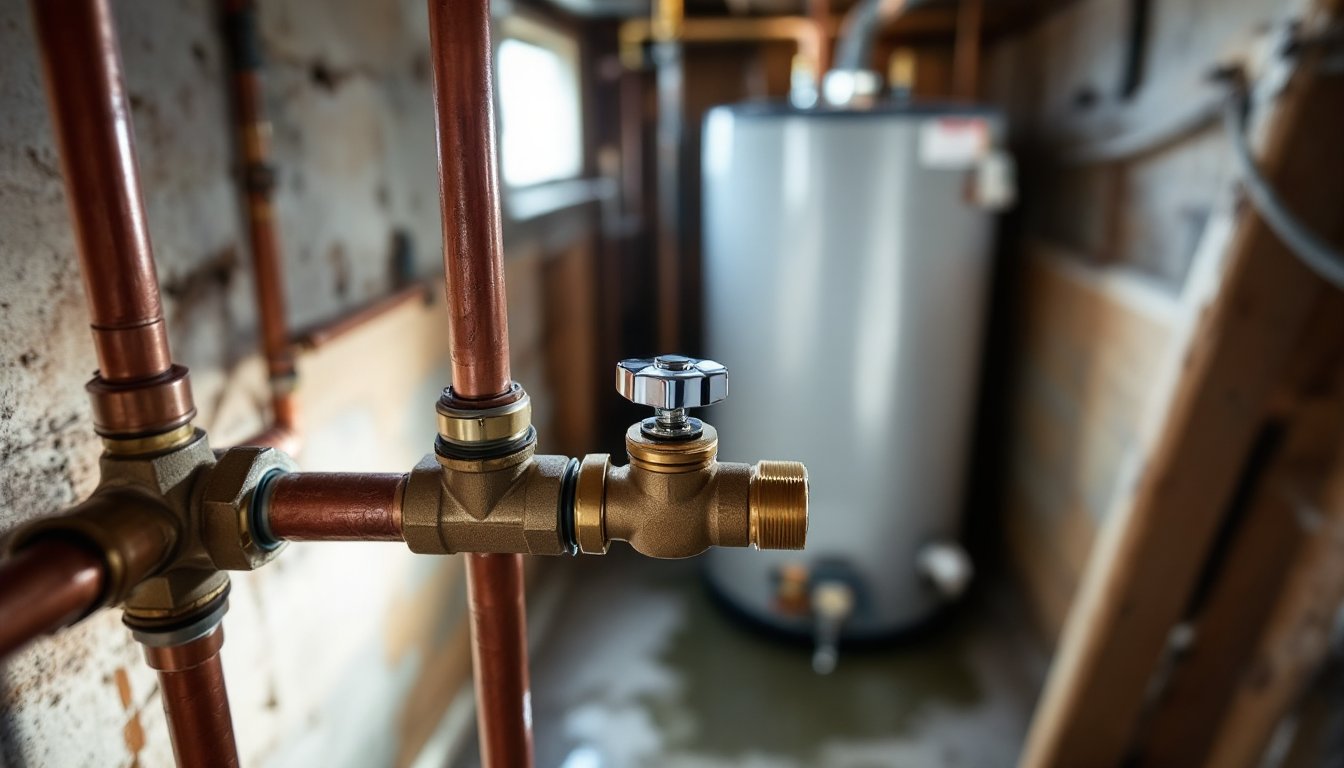
A water heater failure doesn’t announce itself politely. One moment you’re in the shower, the next you’re standing in ankle-deep water wondering why your basement is suddenly flooded. The difference between a minor repair bill and thousands in water damage often comes down to knowing one simple thing: where your water heater shut off valve is and how to use it. Most homeowners don’t think about this valve until disaster strikes, but spending five minutes now to locate and understand your water heater shut off valve could save you from panic, and substantial expense, later. This guide walks you through what that valve is, why it matters, and exactly what to do when you need it.
Table of Contents
ToggleKey Takeaways
- Locating your water heater shut off valve before an emergency allows you to stop water flow in seconds and prevent thousands in potential flood damage.
- Ball valves are the most reliable water heater shut off valve type, offering instant visual confirmation of open or closed status with a simple 90-degree handle rotation.
- If your home lacks a dedicated water heater shut off valve, prioritize installation immediately—a plumber can typically add one for $150–$300 in under an hour.
- Test gate-style water heater shut off valves seasonally to prevent the internal mechanism from corroding and seizing, especially if the valve sees infrequent use.
- During an emergency, closing your water heater shut off valve stops additional water damage from occurring; afterward, contact a plumber or manufacturer’s emergency line for immediate assistance.
What Is a Water Heater Shut Off Valve and Why It Matters
Your water heater shut off valve is a simple but critical device that stops water flowing into your water heater tank. Think of it as a dedicated emergency switch for that appliance alone, separate from your home’s main water shut off valve. When you close this valve, the cold water supply to your water heater stops immediately, which lets you drain the tank, perform maintenance, or prevent catastrophic damage during a failure.
Most residential water heaters, whether gas or electric, sit in a basement, garage, or utility closet and connect to both a cold water inlet and a hot water outlet. The shut off valve sits on that inlet line, usually within a foot or two of where the supply pipe meets the tank. A faulty water heater can develop a crack in the tank, a corroded valve, or a leaking connection. Without a working shut off valve accessible to you, a burst tank or fractured fitting could dump hundreds of gallons before you can call a plumber.
Knowing where this valve is and how to operate it puts control back in your hands during an emergency. You won’t have to race to find a wrench or panic while water spills everywhere, you can stop the flow in seconds.
Types of Water Heater Shut Off Valves
Not all shut off valves look or operate the same way. Understanding which type you have helps you react confidently when you need it.
Ball Valves
Ball valves are the gold standard for water heater applications and are what most plumbers install on new builds and upgrades. The valve contains a hollow ball with a hole through it: when the handle is parallel to the pipe, water flows freely, and when you turn the handle 90 degrees (perpendicular to the pipe), it blocks the hole and stops the flow completely. Ball valves are durable, rarely stick or corrode, and give you instant visual confirmation of whether the valve is open or closed, just look at which direction the handle points. They’re reliable over decades and don’t require much maintenance.
Gate Valves
Gate valves are older style and still found in many homes. These have a threaded screw mechanism and a handle you turn clockwise to close and counterclockwise to open, similar to a traditional faucet. They take multiple full turns to shut completely, which makes them slower to respond in a real emergency. Gate valves are also prone to sticking if not used regularly, if you never operate yours, the internal wedge can corrode and seize, leaving you unable to shut off the water when you need it most. If your water heater has a gate valve, test it seasonally (carefully) to make sure it still turns freely.
Check Valves
Check valves are less common as the primary shut off but sometimes appear alongside ball or gate valves on the inlet line. A check valve allows water to flow in one direction only and automatically prevents backflow if pressure spikes. They’re not designed to be closed by hand and aren’t your main emergency valve, but if you see one, it’s there to protect your water heater from damage when the main water pressure fluctuates. You don’t operate a check valve, it does its job passively.
How to Locate and Identify Your Water Heater Shut Off Valve
Finding your water heater shut off valve is the first step. Start by locating your water heater, usually in the basement, a utility closet, a garage, or an attic, depending on your home’s layout and climate. Once you’ve found the tank, look at the cold water inlet connection at the top of the tank (or side, on some models).
The shut off valve should be mounted directly on the cold water supply pipe that feeds the tank. It will be within 12 inches of where the pipe meets the tank connection. If you see a lever-handle valve pointing parallel to the pipe, that’s a ball valve, your ideal scenario. If you see a handle you need to turn like a faucet knob, that’s a gate valve. Sometimes there’s also a small release valve nearby for draining: that’s a separate component and isn’t your shut off valve.
If you don’t see a valve at all on the inlet line, your home may not have a dedicated water heater shut off installed. This is a safety gap worth addressing immediately. Many jurisdictions’ building codes actually require one, especially in older homes. Adding a water heater shut off valve is a straightforward job for a plumber and typically costs $150–$300, including labor. Some plumbers can do it in under an hour if the inlet connection is accessible.
Mark the location mentally or, better yet, take a photo on your phone and label it “water heater shut off.” Show your family where it is. In a real emergency, seconds matter, and muscle memory beats panic.
When and How to Use Your Shut Off Valve
Your water heater shut off valve has two main use cases: planned maintenance and emergency response.
Planned Maintenance:
Water heaters need draining every 1–3 years to flush out sediment that builds up on the tank bottom. Sediment reduces heating efficiency and can shorten the tank’s lifespan. To drain your tank safely, first close the shut off valve by turning a ball valve handle perpendicular to the pipe or twisting a gate valve handle clockwise until it stops (don’t force it). Open the release valve at the bottom of the tank into a bucket or floor drain, then let gravity drain the water. This protects your water heater and often improves performance noticeably. A similar process applies if a plumber needs to replace a valve or work on the inlet connection.
Emergency Shutoff:
If you notice water pooling around your water heater, hear hissing from the tank, or smell something burning, act fast. Close the shut off valve immediately by rotating the handle to block flow. On a ball valve, flip the handle 90 degrees. On a gate valve, turn the handle clockwise, sometimes several full turns. Once the valve is closed, call a plumber or your water heater manufacturer’s emergency line. Closing that valve stops additional water from entering the tank and prevents further damage.
If your main water heater’s shut off valve doesn’t work, or if you can’t find it, you may need to use your home’s main water shut off valve, which stops all water flow throughout the house. This is a last resort because it affects everything, but it’s better than flooding. Knowing both locations is smart planning.
Safety tip: If your water heater is leaking or making strange noises, don’t wait. A small weep now means a tank failure tomorrow. Have a plumber assess it sooner rather than later, and knowing you can shut the water off yourself will ease your mind while you’re arranging a repair.