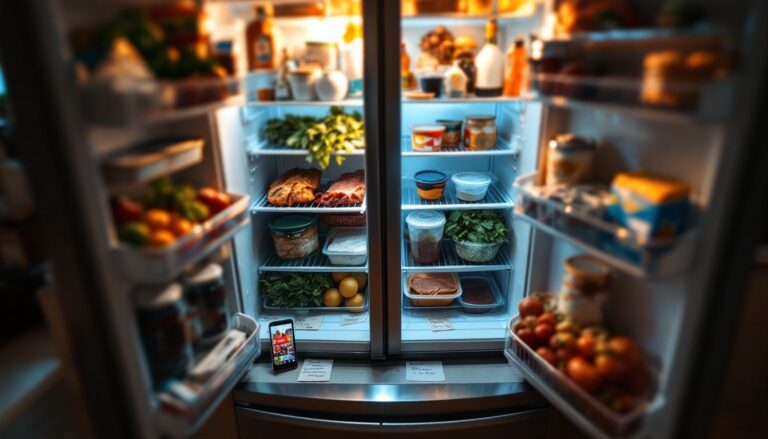

Choosing the right refrigerator size isn’t just about fitting it into a corner, it’s about matching capacity to your actual needs and lifestyle. Whether you’re outfitting a dorm room, a home bar, a garage workshop, or a tiny kitchen, small refrigerators come in surprisingly varied dimensions and capacities. The difference between a cramped 1.7-cubic-foot mini fridge and a spacious 6-cubic-foot model is substantial, and picking the wrong size wastes money and creates frustration. This guide walks you through the most common small refrigerator sizes, how to measure your space accurately, and which models work best for specific situations.
Table of Contents
ToggleKey Takeaways
- Small refrigerator sizes range from compact 1.7-cubic-foot mini fridges to spacious 5-6 cubic-foot models, each designed for different spaces and storage needs.
- Accurate measurements of width, depth, and height—plus consideration of door swing and airflow—are essential to avoid buyer’s remorse and ensure proper ventilation.
- Compact mini fridges (1.7–3.5 cubic feet) work best for dorms and office spaces, while 4-6 cubic-foot models become practical primary or secondary fridges for small apartments and tiny homes.
- Energy efficiency improves when you choose the right capacity for your lifestyle; an undersized fridge wastes power through frequent door openings, while an oversized unit simply wastes electricity.
- Verify electrical outlet placement and voltage before purchase, as small refrigerators typically require standard 115-volt outlets with safe clearance from walkways and furniture.
Why Size Matters When Choosing a Small Refrigerator
Size directly affects what you can store, energy consumption, and whether the unit actually fits where you want it. A mini fridge marketed as “compact” might be 17 inches wide, perfect for a tight corner. That same model, if it’s actually 24 inches deep (front to back), could stick out uncomfortably from under a counter or bump into your knees when you open the door. Energy efficiency also scales with capacity: smaller units generally use less power, but if you’re constantly restocking a too-small fridge, you’re opening and closing the door more often, losing efficiency gains.
Building codes and fire safety don’t apply to residential refrigerators the way they do to built-in cabinetry, but accessibility matters in practice. If you can’t comfortably reach items in the back, or if the shelves can’t adjust to fit your actual groceries, the fridge becomes a frustration. Taking time upfront to choose the right cubic footage and exterior dimensions prevents buyer’s remorse and ensures your appliance earns its counter or floor space.
Common Small Refrigerator Sizes and Dimensions
Compact Mini Fridges (1.7–3.5 Cubic Feet)
Mini fridges in this range are the true “compact” units, often standing between 17 and 20 inches wide and 20 to 24 inches tall. A 1.7-cubic-foot mini fridge typically measures 17.5″ W × 18.5″ D × 19″ H and holds about 40–50 beverage cans on shelves or in a small freezer compartment. These are ideal for dorm rooms, office desks, or RV kitchens where space is severely limited. The trade-off is obvious: you’re storing snacks, drinks, and maybe some condiments, not a week’s worth of groceries.
Stepping up to 3-cubic-foot models gives you dimensions closer to 20″ W × 21″ D × 34″ H. These units fit more efficiently in corner spaces and under counters (standard counters are 36 inches high, so a 34-inch fridge leaves just enough clearance for a thin cutting board). You gain nearly double the storage without dramatically increasing the footprint. Many include a freezer compartment that actually holds a few frozen meals or ice cream alongside ice.
Mid-Size Refrigerators (4–6 Cubic Feet)
Mid-size models range from 4 to 6 cubic feet and typically occupy 24″ to 30″ W × 26″ to 28″ D × 38″ to 44″ H. A 4-cubic-foot compact refrigerator (often called a “bar fridge”) measures roughly 24″ W × 24″ D × 39″ H and holds significantly more, roughly 150–180 beverage cans, while still fitting in tight kitchens, offices, or finished basements. These models often feature real shelving flexibility and temperature controls that let you set zones separately for produce and beverages.
5- to 6-cubic-foot models are the largest of the “small” refrigerators, approaching 28–30″ W × 26–28″ D × 44″ H. At this size, you’re looking at genuine kitchen functionality: crisper drawers for vegetables, multiple shelves, and a more substantial freezer section. These work well in small apartments, guest houses, or as a secondary fridge for overflow. The dimensions still fit in spaces where a standard 30-inch refrigerator won’t, making them a practical upgrade from mini fridges without requiring a kitchen redesign.
How to Measure Your Space for a Small Refrigerator
Before you buy, spend five minutes with a tape measure, it saves weeks of regret. Measure the width, depth, and height of the space where the fridge will sit. Always measure twice. Note any obstacles like baseboards, adjacent cabinetry, door swings, or overhead cabinets that might block the unit’s open door.
Remember that the dimensions listed on a refrigerator’s spec sheet are the exterior dimensions of the cabinet itself. If you’re placing the fridge in a recessed space, like under a counter or in a corner, subtract at least 1–2 inches from each side to allow airflow and prevent overheating. Refrigerators need breathing room: packed too tightly, the compressor works harder and the unit fails sooner.
For depth, pay special attention. A fridge that’s deeper than your counter or cabinet won’t sit flush, and you may find yourself constantly bumping into it. If the fridge door will swing open into a hallway or frequently-used space, measure the clearance needed for the door to fully open without hitting walls or furniture.
Also check the voltage and outlet placement. Most small fridges use standard 115-volt outlets (the same as a microwave), but confirm the outlet location relative to where the power cord emerges. You don’t want to run a cord across a walkway or stretch it too far, which creates safety hazards and can stress the cord. If the outlet is inconveniently placed, consider running a dedicated outlet or using a heavy-duty extension cord designed for appliances, not a standard office power strip.
Best Uses for Each Small Refrigerator Size
1.7–2 Cubic Feet: Perfect for dorm rooms, office break rooms, and RVs where space is extremely tight. These excel as beverage coolers next to a home bar or media room sofa. Don’t expect to store much else: they’re single-purpose units. Experts at The Kitchn frequently recommend mini fridges for studio apartments where a standard unit would consume precious living space.
2.5–3 Cubic Feet: The sweet spot for guest bedrooms, basement workshops, and garage hangout spaces. They hold a couple of days’ worth of lunch items, snacks, and drinks without dominating the room. These are reliable secondary units when someone’s living situation changes temporarily (think: college student home for the summer, or an aging parent’s guest suite).
4–5 Cubic Feet: This is where small fridges become genuinely practical for permanent kitchens. Ideal for small apartments, tiny homes, or as a supplemental fridge in a larger home. They handle weekly grocery trips and include proper crisper drawers. Apartment dwellers and young professionals often find 9 Best Mini Fridges helpful for detailed capacity comparisons and real-world testing.
5–6 Cubic Feet: These function almost like a true second refrigerator. Use them as primary fridges in tiny homes, accessory dwelling units (ADUs), or permanent setups in finished basements and offices. A 6-cubic-foot model with separate temperature zones can run as a beverage cooler for entertaining while still keeping groceries fresh. Design sites like Apartment Therapy showcase small-space living solutions that include mid-size compact fridges as legitimate kitchen choices.
Consider your household: one person eating mostly prepared foods needs far less volume than a family of four. Empty-nesters downsizing often find a 4-cubic-foot compact fridge sufficient for their reduced consumption.
Conclusion
Matching the right small refrigerator size to your actual space and needs prevents costly mistakes and ensures your investment serves you well. Measure carefully, account for airflow and door clearance, and be honest about what you’ll actually store. A too-small fridge frustrates: an oversized one wastes electricity and precious space. Use this guide as your foundation, then read product reviews and specifications to nail the final choice.