
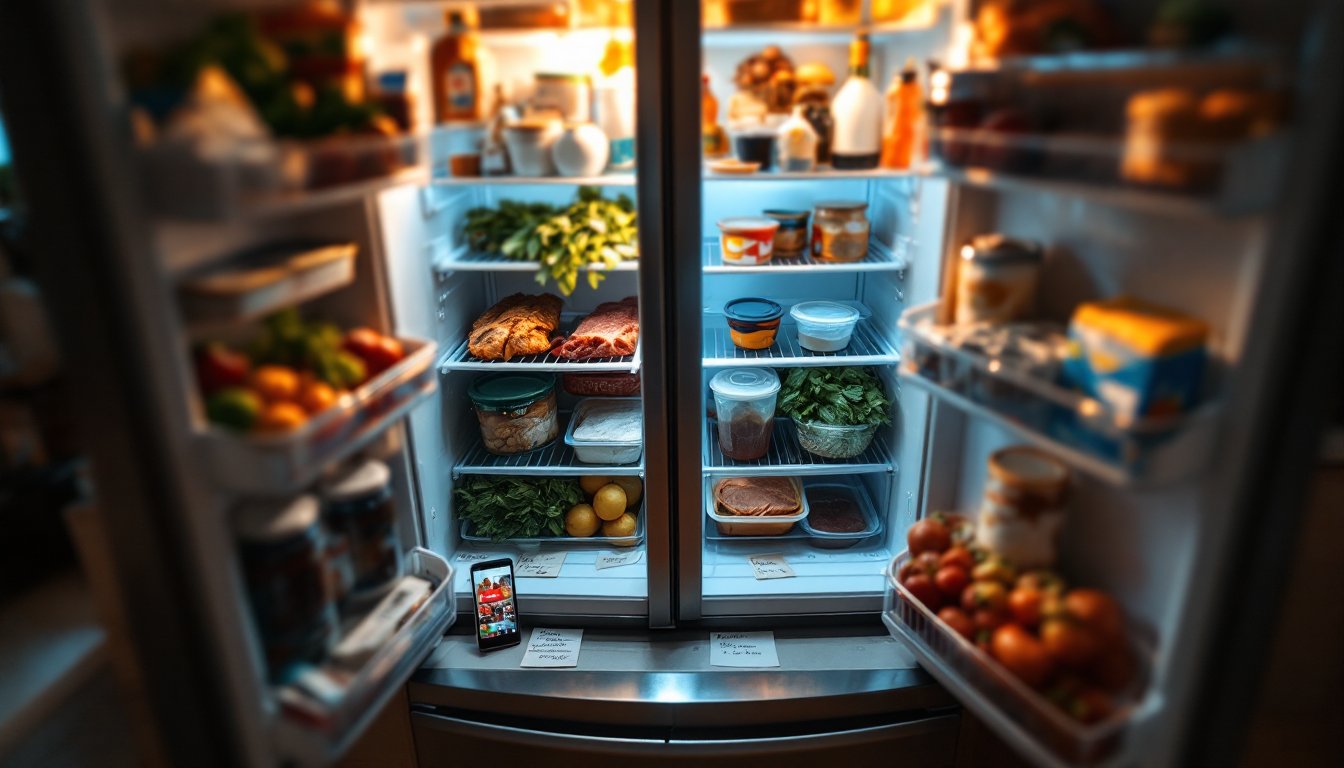
Your refrigerator stops running at midnight, and by morning, everything inside is warm. The milk is spoiled, the meat is unusable, and the freezer full of prepared meals is a total loss. If you’re renting, you might hope renters insurance will cover the spoiled food. The short answer: probably not. Most standard renters insurance policies explicitly exclude food spoilage, regardless of what caused the fridge to fail. Understanding exactly what your renters insurance covers, and what it doesn’t, can save you from a frustrating claim denial later. This guide breaks down the coverage gaps, explains why insurers exclude food loss, and shows you practical steps to protect yourself and your groceries.
Table of Contents
ToggleKey Takeaways
- Renters insurance typically does not cover food loss from a broken refrigerator, even if the fridge itself is damaged by a covered peril like lightning or fire.
- Most standard renters insurance policies explicitly exclude food and perishable items because spoilage is difficult to verify and creates moral hazard risks for insurers.
- A few rare policy endorsements or riders may cover food spoilage from power outages with limits of $250–$500, but only after outages exceed 12–24 hours.
- Preventing costly food loss is more practical than relying on insurance—maintain your fridge at 40°F or below, use a wireless temperature monitor, and keep your refrigerator well-stocked.
- If your refrigerator fails, document everything with photos and written communication to your landlord, then file a claim with your renters insurance regardless of expected denial, as it creates a paper trail.
- Review your specific renters insurance policy language now to confirm coverage gaps, since many renters mistakenly assume spoiled food will be covered if the appliance itself is damaged.
What Renters Insurance Typically Covers
Renters insurance protects your personal belongings if they’re damaged, destroyed, or stolen due to covered perils. The big ones include fire, lightning, theft, vandalism, and certain weather events like hail or wind damage. Your furniture, electronics, clothing, and appliances you own (not the landlord’s) are generally protected. The policy also provides liability coverage if someone is injured in your rental unit and they decide to sue, plus additional living expenses if you’re temporarily displaced due to a covered event. The catch is that insurers define “covered perils” narrowly. A refrigerator breaking down due to age or mechanical failure isn’t a covered peril, it’s just normal wear and tear. Even if a lightning strike knocks out your fridge, the food inside still won’t be covered under most policies. This is where renters often run into trouble. They assume all damage from the same event gets covered together, but food spoilage is handled separately, almost always excluded entirely.
Food Loss And Spoilage: The Coverage Gap
Why Renters Insurance Excludes Food Spoilage
Insurers exclude food loss for a simple reason: it’s nearly impossible to verify and too expensive to underwrite. When you file a claim saying your $200 worth of groceries spoiled, the insurer has no way to confirm what was actually in the fridge, how long it sat at room temperature, or whether the food was already nearing its expiration date. Did you buy organic grass-fed beef or budget ground chuck? Was that half-empty container of yogurt from last week? The documentation burden would be enormous.
There’s also a moral hazard problem. If insurers covered food spoilage, some people might intentionally unplug their fridge to file a claim. It sounds far-fetched, but insurance companies price their policies around worst-case scenarios. The exclusion protects the insurer’s math on thousands of policies. Your renters insurance policy will typically state something like “food and other perishable items” are excluded, plain and simple. This applies whether the refrigerator itself is damaged by a covered peril or breaks down on its own. A house fire that destroys your fridge and the food? The fridge may be covered under your landlord’s property insurance, but your spoiled groceries still won’t be. That’s the harsh reality most renters discover only after it’s too late.
When You Might Have Coverage
There are a few narrow scenarios where you could potentially recover food loss costs. First, check your specific policy language carefully. Some insurers offer optional endorsements or riders that cover food spoilage from power outages, though these are rare and usually come with limits (often $250–$500) and only cover outages lasting more than a set number of hours, like 12 or 24. Call your agent and ask directly: “Does my policy cover food spoilage from power outages?” It’s worth a five-minute conversation.
Second, if your renters insurance includes coverage for water damage, say, from a burst pipe that floods your kitchen, you might recover the fridge itself, but the food will still be excluded. Some policies cover renter’s-caused damage to the landlord’s property, but again, the food exclusion applies.
Third, if the refrigerator is actually owned by you (less common in rentals), and it was damaged by a covered peril like lightning or theft, your renters insurance might cover the appliance’s replacement cost. But the contents are still off-limits. Renters sometimes mistakenly think that if the fridge is covered, the food must be too, it’s not.
Your best bet is to review your actual policy documents or contact your insurer before a crisis happens. Don’t guess. When homeowners check whether home insurance covers appliances, they’re usually surprised by the gaps. Renters face the same discovery, just applied to rented appliances. The lesson: read your policy now, not after the fridge breaks.
How To Prevent Costly Food Loss
Prevention is far cheaper than insurance claims. Start with smart refrigerator maintenance. Keep your fridge at the correct temperature, 40°F or below for the main compartment, 0°F or below for the freezer. Invest in an inexpensive wireless temperature monitor (around $20–$40) that sends alerts to your phone if the temperature rises. If you’re away for extended periods, these are lifesavers.
Keep your fridge well-stocked. A full fridge holds temperature much better than an empty one because the thermal mass of food and containers acts as insulation. When the compressor cycles off, it takes longer for the temperature to rise if you’re starting with a dense load of cold items.
Have a backup plan. Know where your circuit breaker is and what appliances are on which breakers. If you suspect an electrical issue, call your landlord immediately, they’re usually responsible for maintaining the unit. Document everything in writing (email is fine), and take photos if you notice the fridge isn’t maintaining temperature.
For extended trips, eat down your perishables or transfer high-value items (expensive proteins, specialty ingredients) to a friend’s or family member’s freezer temporarily. It sounds extreme, but a $300 steak loss would exceed most food spoilage endorsement limits anyway. Resources like Angi can help you find reliable appliance repair professionals if your landlord is slow to act. The Kitchn also publishes practical kitchen appliance guides that cover maintenance tips and troubleshooting before a breakdown occurs.
Steps To Take After Refrigerator Failure
If your fridge dies and food spoils, take immediate action, even if you suspect coverage is unlikely.
1. Stop opening the door. Every time you open it, warm air replaces cold air. If the power’s out, keep the door shut. A full fridge stays safe for about four hours: a freezer stays cold for about 48 hours if unopened.
2. Document everything. Take clear photos of the refrigerator model and serial number, and photo the spoiled contents (yes, really). Make a detailed list of what was inside with approximate values. Don’t throw anything away yet.
3. Check if the fridge failed due to a power outage. Contact your utility company to confirm if there was an outage in your area and how long it lasted. This documentation matters if you have a perishable-loss endorsement.
4. Notify your landlord in writing. Send an email or text (something timestamped) informing them that the refrigerator failed and food spoiled. Request that they repair or replace the unit immediately. Keep copies of this communication.
5. Contact your renters insurance agent. File a claim anyway, even if you suspect it will be denied. Document the denial in writing. This creates a paper trail and may help if you need to escalate or negotiate.
6. File a complaint with your state’s insurance commissioner if you believe the denial was wrongful. This is a nuclear option, but insurers sometimes reconsider when regulatory pressure is involved.
7. Research your state’s tenant laws. Some states require landlords to maintain appliances in working order, and failure to do so may violate housing codes. If the landlord is negligent, you might have recourse outside of insurance. Whether home insurance covers fire or other events shows that coverage is issue-specific, food loss is no exception.
Conclusion
Renters insurance almost certainly won’t cover your spoiled groceries, even if the refrigerator itself fails due to a covered peril. The exclusion is standard and intentional. Your best strategy is prevention: maintain your fridge, monitor its temperature, and understand your lease obligations. If failure does happen, document it thoroughly and file a claim regardless, you might be pleasantly surprised, or at minimum, you’ll have a record. Call your insurer today and ask about your specific coverage. A five-minute clarification call beats a painful discovery after a $300 food loss.