
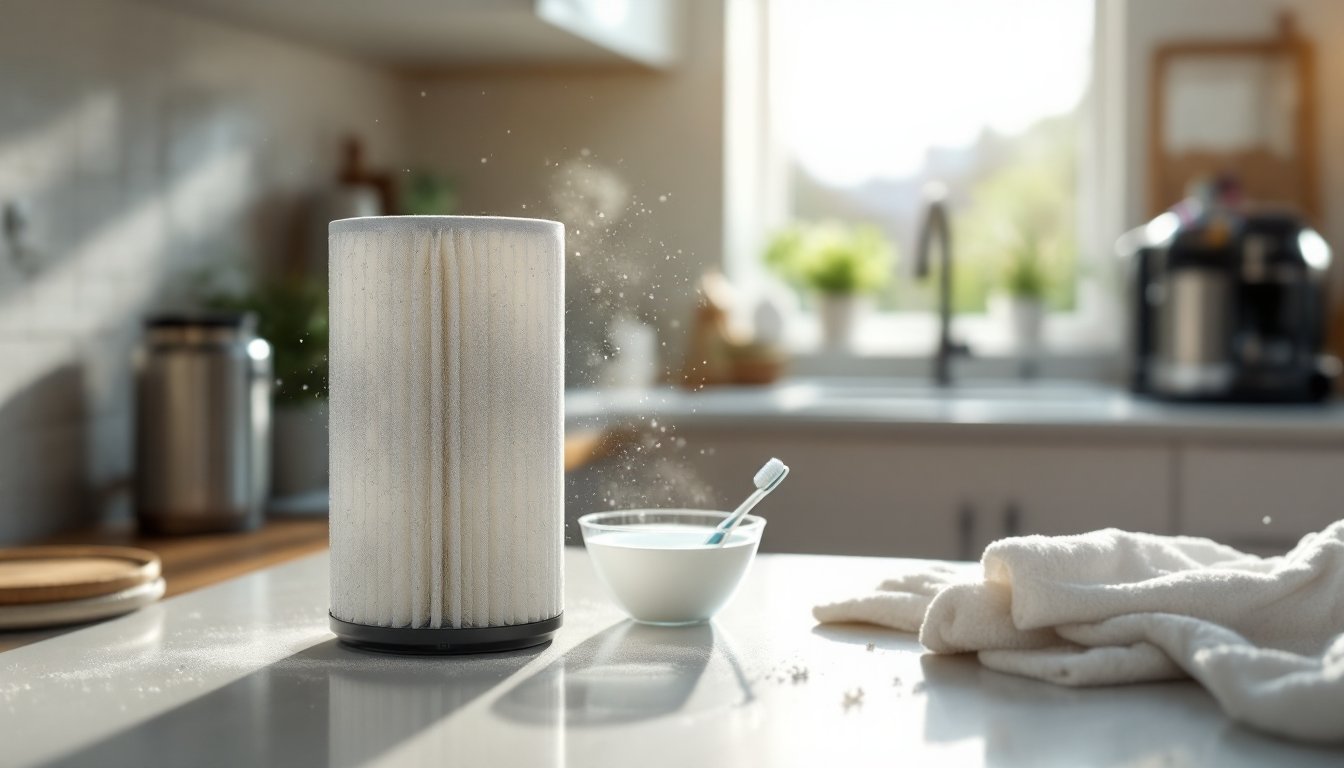
Shark Lift Away vacuums are workhorses in households across America, but they’re only as good as their filtration system. A clogged or failing filter doesn’t just reduce suction, it can force the motor to work harder, shortening the vacuum’s lifespan and leaving dust and allergens circulating through your home. Understanding how to maintain, clean, and replace your Shark Lift Away filters keeps the machine running at peak performance and protects your indoor air quality. This guide walks you through everything you need to know about your filter system, from identification to troubleshooting, so you can tackle maintenance like a pro.
Table of Contents
ToggleKey Takeaways
- Shark Lift Away vacuum filters use a two-stage system with a pre-motor filter and post-motor HEPA or standard filter working together to trap particles and protect indoor air quality.
- HEPA filters trap 99.97% of particles 0.3 microns or larger and last 6–8 months, while standard filters last 8–12 months and are more budget-friendly for households without allergy concerns.
- Clean your pre-motor filter monthly and post-motor filter every 1–2 months by rinsing with lukewarm water, gently brushing stubborn buildup, and air-drying completely for at least 24 hours before reinstalling.
- Replace Shark Lift Away filters when suction drops after cleaning, the filter appears permanently discolored, water won’t rinse through, or visible tears and holes appear—typically every 6–12 months depending on use.
- Order OEM (original equipment manufacturer) replacement filters ahead of time ($30–$60 each) to avoid vacuum downtime and maintain warranty coverage and motor longevity.
- If your Shark Lift Away filter smells musty, stop using it immediately and air-dry it in sunlight for 24–48 hours; if the smell persists, replace the filter to prevent mold damage.
Understanding Your Shark Lift Away Vacuum Filter System
Your Shark Lift Away vacuum relies on a multi-stage filtration system to trap particles and keep air flowing back into your home. Most Shark models use a combination of a pre-motor filter and a post-motor HEPA or standard filter working together. The pre-motor filter (the coarser one) catches larger dust and debris before air reaches the motor, extending its life. The post-motor filter is the final barrier, capturing microscopic particles like pollen and pet dander before air exits the vacuum.
This two-stage setup is critical: if either filter fails, your entire system’s efficiency drops. Air takes the path of least resistance, so when a filter clogs, it can bypass other components, reducing suction and letting unfiltered air escape. Regular maintenance, cleaning and timely replacement, keeps both filters working as a team. Most Shark Lift Away models have filters designed for easy access and removal, so you won’t need tools or special knowledge to handle routine upkeep. Knowing which filter is which and where they live in your vacuum is your first step toward confident maintenance.
Types of Filters in Shark Lift Away Models
HEPA Filters and Standard Filters
Shark Lift Away models come in two main filter configurations: HEPA (High-Efficiency Particulate Air) filters and standard foam or pleated filters. HEPA filters trap 99.97% of particles 0.3 microns or larger, think pollen, mold spores, and pet allergens, making them ideal if anyone in your home has allergies or asthma. Standard filters capture larger debris effectively but don’t offer the same allergen protection. The sealed HEPA filter in models like the Shark Navigator Lift-Away upright vacuum provides the highest level of air quality, and Shark Navigator Upright vacuums feature sealed HEPA filters for premium allergy protection.
Your specific Shark model’s filter type depends on when it was manufactured and which product line you own. Check your owner’s manual (usually available as a PDF on Shark’s website) to confirm yours. HEPA filters typically cost more to replace but last longer and justify the investment in households with respiratory sensitivities. Standard filters are budget-friendly, easier to clean, and sufficient for general household dust. Both types are washable during routine maintenance, but replacement schedules differ slightly, HEPA filters often need replacing every 6–8 months of moderate use, while standard filters may last 8–12 months.
How to Clean and Maintain Your Filters
Step-by-Step Cleaning Instructions
What You’ll Need:
- Your Shark Lift Away vacuum
- Lukewarm tap water
- Soft-bristled brush or old toothbrush (optional, for stubborn buildup)
- Clean, dry towel
- 24 hours for air-drying
The Process:
- Unplug the vacuum and let it sit for 5 minutes to cool if it’s been running.
- Locate the filter by opening the canister or accessing the filter compartment (this varies by model: your manual shows the exact spot).
- Gently remove the filter by twisting or pressing the release button, depending on your model.
- Tap out loose debris over a trash can or outside. Hold the filter vertically and tap it firmly 5–10 times to dislodge dust clumps.
- Rinse with lukewarm water under a faucet. Let water run through the filter from top to bottom. Avoid hot water, which can damage the filter media.
- Inspect for stubborn buildup. If clogs remain, gently brush the filter surface (not too hard, you can tear the media). Use a soft brush in a downward motion.
- Squeeze out excess water gently with a clean towel. Don’t wring or twist the filter: you can crush the filter material.
- Air-dry completely before reinstalling. Stand it upright in a warm, dry spot for at least 24 hours. Installing a damp filter invites mold and mildew.
- Reinstall once fully dry. Align it properly and push or twist it back into place until you hear a click.
Clean your pre-motor filter monthly during average household use: increase frequency if you have pets or allergens. Post-motor HEPA filters can go 1–2 months between cleanings but benefit from a gentle monthly wipe. If you vacuum daily or in a dusty environment, shorten these intervals. Many homeowners find it helpful to integrate filter cleaning into their seasonal home maintenance checklist, making it a routine habit rather than an afterthought.
When to Replace Your Shark Lift Away Filters
Cleaning extends filter life, but replacement is inevitable. Most Shark Lift Away filters last 6–12 months depending on use intensity and air quality. You’ll know it’s time to replace when:
- Suction drops noticeably even after cleaning the filter.
- The filter appears discolored or stained after washing (indicates trapped particles that won’t release).
- Water doesn’t rinse through easily anymore (the media is clogged at a microscopic level).
- You see tears, holes, or visible damage to the filter material.
- Dust escapes during use or you notice musty odors (signs the filter is compromised).
Don’t wait for a complete failure, a tired filter forces your motor to work harder, burning energy and risking damage. Mark your calendar: if you clean monthly, plan a replacement every 6–9 months for HEPA filters and 8–12 months for standard filters. This depends on household size, pet ownership, and how often you vacuum. Pet owners and allergy sufferers should lean toward the shorter end of that range.
Order replacement filters ahead of time so you’re not stuck without a working vacuum. Shark offers official replacement filters on their website and through major retailers. Third-party filters exist, but OEM (original equipment manufacturer) filters ensure compatibility and maintain warranty coverage. Replacement costs typically range from $30–$60 per filter depending on type: it’s worth the investment compared to premature motor failure or reduced air quality.
Troubleshooting Common Filter Problems
Even with regular maintenance, filter issues crop up. Here’s how to diagnose and fix the most common problems:
Problem: Suction is weak but the filter looks clean.
Check your filter fit. A filter installed incorrectly or upside down creates air leaks, tanking suction. Open the vacuum, remove the filter, and reinstall it carefully, ensuring it’s seated all the way and locked in place. If suction remains weak after cleaning and reinstalling, the filter media may have microscopic clogs: try replacing it.
Problem: The filter smells musty or moldy.
Your filter wasn’t fully dry when reinstalled, or it’s been sitting wet in humid conditions. Remove the filter immediately, wash it thoroughly again, and air-dry it in direct sunlight for 24–48 hours. Never reinstall a damp filter. If the smell persists, replace the filter, mold damage can’t be reversed.
Problem: The filter tears or shows holes.
Stop using the vacuum immediately. Holes let particles bypass the filter, defeating the entire filtration system and potentially damaging the motor. Replace the filter ASAP. If you notice damage after only a few months, check that you’re using the vacuum on appropriate surfaces (vacuuming sharp objects like gravel can puncture filters) and that nothing is blocking airflow upstream.
Problem: You can’t get the filter out or it’s stuck.
Never force it. Apply gentle, steady pressure while twisting or pressing the release button. If it’s truly stuck, soak the area where it connects (the twist-lock or press-fit joint) with a damp cloth for 10 minutes to loosen dust buildup. Once loose, remove and clean the socket to prevent future jamming.
When in doubt, consult your manual or contact Shark customer support, they’re responsive and often send replacement filters quickly if your unit is still under warranty. Home cleaning guides often, but a functioning filter is the foundation of a healthy vacuum and a healthier home.