Finding the right washer and dryer combo doesn’t mean settling for whatever fits your budget or space. Whether you’re replacing an old pair, upgrading to a smart laundry setup, or dealing with a cramped apartment layout, the options in 2026 have evolved significantly. Modern washer dryer combinations balance capacity, cycle options, energy efficiency, and smart features, and some are genuinely worth the investment. This guide walks you through what separates the best models from the rest, how to evaluate what your home actually needs, and what to expect during installation and long-term maintenance.
Table of Contents
ToggleKey Takeaways
- Modern washer dryer combos offer space-saving, energy efficiency, and smart features that justify the investment for apartments and compact homes where separate units won’t fit.
- Budget-friendly washer dryer pairs ($600–900) work well for small households, while premium models ($1,200–1,800) with heat pump dryers and smart connectivity deliver significant long-term savings on utility costs.
- Before purchasing a washer dryer, verify electrical requirements (120V for washer, 240V for dryer), venting feasibility, plumbing connections, and available space to avoid costly installation surprises.
- Heat pump dryers are the efficiency gold standard, using 40–50% less energy than vented models despite longer drying times, making them ideal for high-volume laundry households.
- Regular maintenance including gasket cleaning, lint trap clearing, and annual vent inspection extends washer dryer lifespan to 10–12 years and prevents fire hazards and mold growth.
- Capacity, wash cycle speed, temperature flexibility, and warranty coverage are critical comparison factors that directly impact your laundry workflow and long-term repair costs.
What Makes A Washer Dryer Combo Worth The Investment
A washer dryer combo isn’t just a space-saving novelty, it’s a practical solution for homes where a separate pair won’t fit. The real value depends on your priorities.
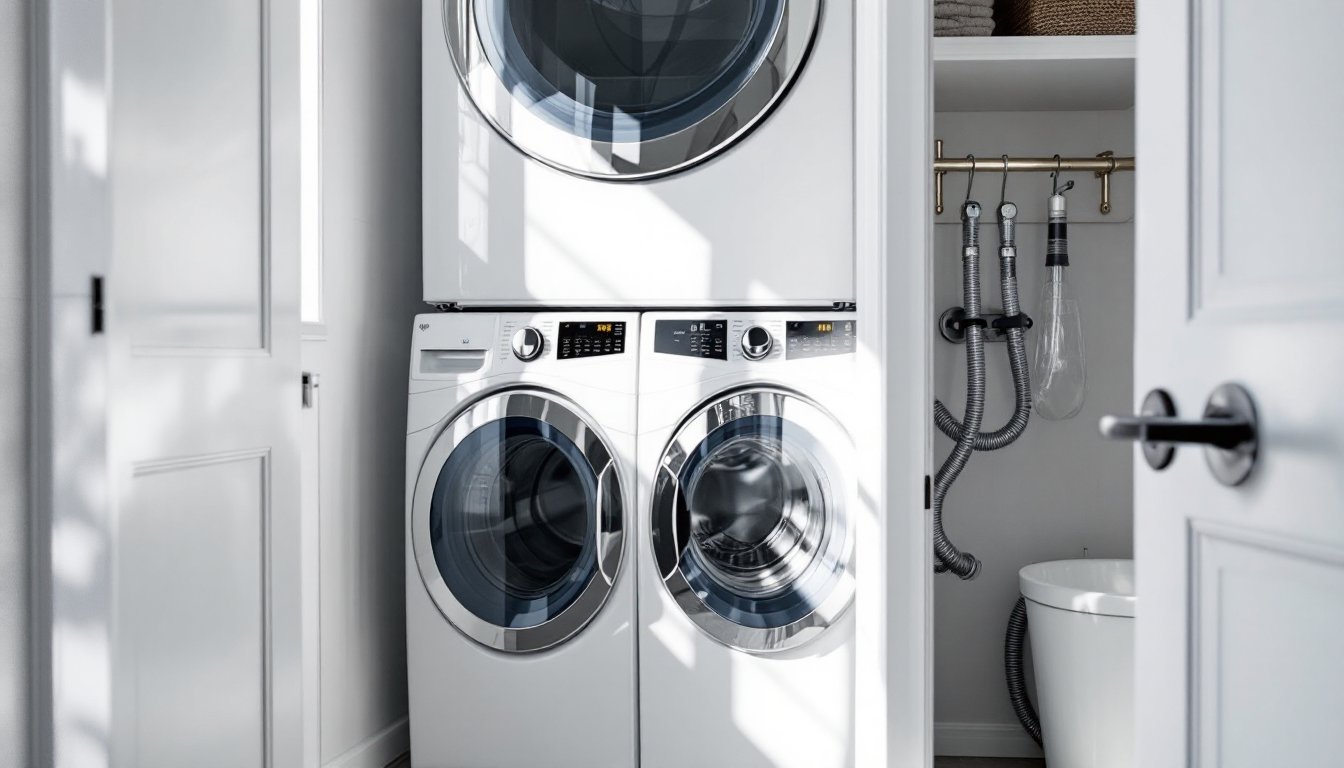
Space-saving is the obvious win. A front-load washer paired with a condenser dryer or heat pump dryer in a stacked configuration takes up roughly 27 inches of floor width and 75 inches of height. A side-by-side pair demands double that footprint. For apartments, townhomes, or laundry closets under 5 feet wide, a stacked combo is often your only option.
Energy efficiency matters more than people think. Modern ENERGY STAR certified washers and dryers cut water and electricity use by 20–40% compared to older units. Heat pump dryers, in particular, dry clothes at lower temperatures and take longer per load but use significantly less energy than vented dryers. If you’re in an area with high utility costs or running laundry daily, the investment pays back within 5–7 years.
Cycle flexibility affects actual laundry quality. Premium combos offer separate wash and dry cycles for different fabrics, steam options for wrinkle-free finishing, and delay-start features so your laundry’s ready when you are. Budget models often compress cycles, which works fine for everyday cottons but can be rough on delicates.
Smart features aren’t mandatory, but they’re genuinely useful. Remote notifications alert you when a load’s done, smartphone controls let you start a dry cycle while you’re still at work, and some models diagnose issues before they become expensive repairs. Weigh these against the cost premium, usually $200–500 extra, and decide if convenience justifies the price.
One honest caveat: combo units (where one machine does both washing and drying in a single drum) have limitations. Drying capacity is typically 60% of wash capacity, meaning you’ll need to run two drying cycles for one wash load. Most homeowners prefer the separation of a stacked washer and dryer, which lets you wash and dry simultaneously.
Top-Rated Washer Dryer Models For Different Home Sizes
Budget-Friendly Options
Don’t assume cheap means disposable. Solid mid-range models from established manufacturers typically deliver 10–12 years of reliable use, and most come with 1-year parts warranties (extendable to 5 years for a few hundred dollars more).
For households under 4 people washing 5–6 loads weekly, a 4.2-cubic-foot front-load washer paired with a vented electric dryer handles the work without overbuilding. These units cost $600–900 for the pair and use standard 240V electrical connections (most homes already have this). Vented dryers exhaust hot air outside, so they dry quickly, usually 45–60 minutes per load, and cost less than condenser or heat pump alternatives upfront.
Stack them vertically, and they fit standard laundry closets. Buy a mid-grade stacking kit (around $40–60) to secure them together and prevent shifting.
There are trade-offs. Entry-level models often have fewer cycle options and no smart connectivity. Wash times run 35–45 minutes on the regular cycle. If you’re doing predominantly heavy-duty loads (work clothes, bedding, towels) this pace works fine. For delicates or quick-wash situations, fewer options become annoying.
Premium Performance Models
When you step up to $1,200–1,800 per pair, you’re buying reliability, capacity, and features that earn their cost over time.
Heat pump dryers are the efficiency gold standard. They recycle warm air through the clothes multiple times, drying at lower temperatures than conventional vented models. Loads take 90–120 minutes instead of 60 minutes, but energy use drops 40–50%. For households running laundry 8+ times per week or in regions with steep electricity rates, the annual savings ($200–400) add up.
Capacity jumps to 5.0–5.8 cubic feet in the wash drum. That’s one fewer load per week for families of 4+, which compounds over years. Stainless steel interiors resist rust and staining better than painted drums, especially important if you use extra bleach or live in humid climates.
Smart features become standard at this tier: WiFi connectivity, app controls, automatic dispenser systems (perfect if you’re running the same cycles repeatedly), and detailed cycle diagnostics. Some models pause automatically if they detect a zipped garment catching on the drum, small touches that prevent expensive damage.
Wash cycles include dedicated settings for allergen removal (165°F water temperature, extended agitation), quick wash (20–30 minutes for lightly soiled items), and eco modes that scale water and energy down for smaller loads. Dry cycles include wrinkle guard (tumbling periodically after the program ends, buying you 30–60 minutes before clothes wrinkle) and moisture sensors that stop the dryer when clothes reach your chosen dryness level, not when a timer runs out.
These units typically require 240V for the dryer and 120V for the washer motor. Most homes have both, but confirm your electrical setup before ordering.
Key Features To Compare Before Buying
Capacity matters immediately and stays relevant. If you’re in a 2-person household washing twice weekly, a 4.0-cubic-foot drum handles the job. Three or more people, or you’re washing thick quilts regularly? Step up to at least 4.5 cubic feet. The extra 15–20% capacity prevents cramming, which reduces wash effectiveness and stresses the motor.
Wash cycle speed affects your workflow. A 35-minute cycle is fine if laundry happens once or twice a week. If you’re running loads daily (kids’ sports gear, dog bedding, high-volume households), a quick wash cycle under 30 minutes saves time without sacrificing clean clothes on lightly soiled items.
Temperature flexibility matters for fabric care. Delicates and synthetic fabrics last longer in cool water, but bacteria in towels and bedding dies more reliably at hot temperatures. Models with precise temperature control (not just “hot, warm, cold”) give you better outcomes.
Water level control is underrated. Some newer machines automatically sense load size and adjust water: others let you override and run a deep fill for heavily soiled items. If you have hard water or live somewhere water conservation matters, sensor-based systems reduce waste without sacrificing clean clothes.
Dry-only access is practical. If your washer dies or you need to hang-dry a delicate load, can you run the dryer standalone? Some combo units prevent this. Confirm the dryer operates independently.
Noise and vibration levels vary widely. Quieter models ($1,400+) typically use inverter motors (variable-speed) and better suspension systems, running at 65–70 decibels. Louder units can hit 80+ decibels, which matters if your laundry room is near bedrooms or living spaces. Read reviews mentioning noise: spec sheets often downplay it.
Warranty structure differs. Most manufacturers offer 1-year parts and labor, but extended warranties (adding 2–5 years of coverage) cost $150–300. Factor this into your total cost if repair access is important to you. Independently owned laundromats and apartment complexes often don’t replace units until they completely fail, making longer warranties valuable.
Installation And Setup Considerations For Your Home
Before you order, verify your space and utilities. Measure the laundry closet or area width, depth, and height with a tape measure, don’t estimate. Write down the actual dimensions. A standard stackable pair is roughly 27 inches wide, 32 inches deep, and 75 inches tall. If you’re installing in a closet, account for the door swing and ensure you can open it fully without the washer blocking your path.
Electrical requirements are non-negotiable. Front-load washers need a standard 120V outlet with a grounded three-prong plug (most homes have this in the laundry area). Dryers demand 240V, which is a dedicated circuit, it can’t share the outlet with other appliances. If your home was built before 1980 and you’ve never had an electric dryer, you may not have this outlet. Installing one requires a licensed electrician (typically $300–600 in labor) and may require a permit depending on your locality. Gas dryers need 240V for the igniter and controls plus a gas line with a proper shutoff valve. Both are code-specific: confirm requirements with your local building department.
Venting matters for standard dryers. Vented models must connect to a duct that exits your home (through a wall, roof, or existing dryer vent). The duct should be 4 inches in diameter and as short as possible, every elbow and 10 feet of run adds drying time and reduces efficiency. If your laundry room is on an interior wall far from an exterior, venting becomes expensive ($200–500 to cut and install) or impossible. Condenser dryers don’t need external venting: they condense moisture into a reservoir you empty or connect to a drain. Heat pump dryers also don’t require external venting. If venting isn’t feasible, these are your best options.
Plumbing connections are straightforward. Washing machines connect to hot and cold water supply lines (usually located behind the washer space: most homes have these already). Use braided stainless steel inlet hoses rated for at least 100 PSI (your water pressure), cheap rubber hoses fail within years. The drain connection either connects to a standpipe (a vertical pipe that catches water and feeds it to your home’s main drain) or directly to a laundry sink. If you don’t have a standpipe, a plumber can install one: cost runs $150–300.
Stacking and securing is critical for safety. Never assume gravity will keep them in place. Purchase a manufacturer-approved stacking kit ($40–100) with metal brackets and bolts. Follow the manual exactly, improper stacking shifts the load unevenly, stresses the lower appliance, and creates noise. If installing yourself, use a level to confirm both appliances sit plumb before bolting together.
Permits depend on your local code. Electrical work almost always requires a permit and inspection in populated areas. Gas connections definitely do. Call your local building department or code office and ask: “Do I need a permit for washer-dryer installation?” The $25–50 permit fee and one inspection visit protect you if something fails later and prevents liability issues if you sell the home.
Maintaining Your Washer Dryer For Long-Term Performance
Routine maintenance keeps units running 10–12 years instead of failing at 7–8 years. It’s not complicated, but skipping it costs money.
Drum seals and gaskets deteriorate faster if you ignore them. Monthly, wipe the rubber gasket around your front-load washer with a damp microfiber cloth to remove detergent residue and lint. Leave the door open after each load to let the drum dry, trapped moisture breeds mold and mildew inside the machine, which eventually stinks up clothes and corrodes internal parts. Run a cleaning cycle (hot water, no clothes) with white vinegar or a commercial washer cleaner every other month if you have hard water or use lots of detergent.
Dryer lint accumulation is a fire hazard and efficiency killer. After every load, clear the lint trap completely, fold-over debris adds up fast. Once quarterly, pull out the lint trap and vacuum the cavity underneath where lint collects. Every 12–18 months, disconnect the dryer vent hose and vacuum inside it with a dryer vent brush ($15–25 at any hardware store). Lint buildup forces the dryer to work harder, extending cycle times by 20–30 minutes and increasing fire risk. If your dryer takes over 90 minutes to dry a normal load, venting is probably clogged.
Water inlet hose screens need attention. The screens inside water connections prevent debris from entering the washer. Every 2–3 years, turn off the water supply, disconnect the inlet hoses, and clean the screens with a small brush. Mineral deposits from hard water accumulate here and restrict flow.
Balance and suspension springs support the drum and wear over time. If your washer shakes violently during the spin cycle or makes grinding noises, suspension springs likely failed. This requires a technician ($200–400 in labor) but isn’t an emergency if you tolerate the noise. Don’t ignore it for years, a failed spring stresses the drum bearing, which then fails and costs $500+ to replace.
Detergent choice affects longevity. Use HE (high-efficiency) detergent in front-load washers, regular detergent creates excess suds that damage seals and leave residue. For hard water, add a water softener or vinegar rinse to prevent mineral buildup inside the machine.
When something breaks, reference your manual first. Most modern models have diagnostic codes (displayed on the screen) that pinpoint the problem. Searching the error code online often reveals whether it’s a simple fix (clogged drain filter, unbalanced load) or requires a technician. Many manufacturers publish repair videos, sometimes you can tackle it yourself.